
Please Choose Your Language


Views: 0 Author: Site Editor Publish Time: 2026-02-26 Origin: Site


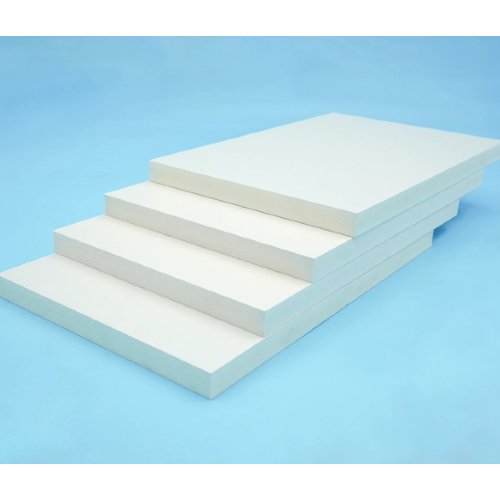
PVC foam sheets are widely used across various industries, from construction and signage to furniture manufacturing and marine applications. Known for their lightweight, durable, and customizable properties, PVC foam sheets offer many advantages. One of the key questions that often arises when considering this material is: How long does PVC foam sheet last?
The lifespan of PVC foam sheets depends on several factors, such as the quality of the material, environmental conditions, and usage. In this article, we will explore the factors that influence the lifespan of PVC foam sheets, how long they typically last in different environments, and what can be done to extend their lifespan. Additionally, we will compare PVC foam sheets with other common materials to see how they perform over time.
The quality of the raw materials used in the production of PVC foam sheets plays a significant role in determining their lifespan. High-quality PVC resin, combined with superior foaming agents and additives, ensures that the foam sheets maintain their strength, flexibility, and resistance to environmental factors over time. The foaming process, which creates the closed-cell structure, also affects the material's performance. Higher-quality manufacturing processes result in more consistent foam distribution and better overall durability.
PVC foam sheets produced with premium materials tend to last longer and perform better in various environments, as they are more resistant to wear, UV rays, moisture, and physical damage.
The environment in which PVC foam sheets are used can greatly affect their longevity. Exposure to different environmental factors can cause wear and degradation over time. Below are some key environmental factors that influence the lifespan of PVC foam sheets:
Ultraviolet (UV) radiation from sunlight can cause some materials to degrade, discolor, or lose their structural integrity over time. PVC foam sheets are designed to be UV-resistant, but prolonged exposure to direct sunlight can still cause some deterioration. PVC foam sheets with added UV stabilizers will last longer in outdoor applications compared to those without UV protection.
PVC foam sheets are highly water-resistant due to their closed-cell structure, but constant exposure to moisture and humidity can still affect their lifespan in the long run. In environments with high humidity or regular exposure to water, PVC foam sheets are less likely to suffer from swelling or degradation compared to other materials like wood or MDF.
Extreme temperatures, both high and low, can affect the performance of PVC foam sheets. While the material is designed to withstand a wide range of temperatures, extremely hot or cold conditions over prolonged periods can cause the material to become brittle or lose its flexibility. In applications with significant temperature fluctuations, the longevity of PVC foam sheets can be impacted.
The type of application and how PVC foam sheets are used also play a crucial role in determining how long they last. The level of wear and stress the material undergoes can influence its lifespan. Here are some considerations:
PVC foam sheets used in heavy-duty applications, such as construction, outdoor signage, or marine environments, may experience more wear and tear compared to those used in lighter-duty applications, like interior decoration. Sheets exposed to more frequent physical stress or harsh environmental conditions will naturally have a shorter lifespan.
Regular maintenance and care can significantly extend the lifespan of PVC foam sheets. Proper cleaning, protection from extreme conditions, and repairs (if needed) will keep the material functioning well for a longer period. In contrast, neglecting maintenance or exposing the sheets to harsh conditions can cause them to degrade more quickly.
PVC foam sheets used indoors generally experience less wear and tear compared to those used in outdoor environments. Indoor applications such as furniture manufacturing, interior cladding, and signage usually result in a longer lifespan for the material. When properly maintained and not exposed to moisture or harsh conditions, PVC foam sheets can last for several decades in indoor settings.
On average, PVC foam sheets used indoors can last anywhere from 15 to 25 years. These sheets are resistant to moisture, UV rays, and physical wear, making them ideal for long-term use in environments such as homes, offices, and retail spaces.
Outdoor applications, where PVC foam sheets are exposed to varying weather conditions such as UV rays, moisture, and temperature fluctuations, will experience more wear over time. However, due to their inherent water resistance and UV stability, PVC foam sheets are still capable of withstanding outdoor conditions for extended periods.
When used outdoors, PVC foam sheets can last between 10 to 20 years, depending on factors such as climate, exposure to direct sunlight, and maintenance practices. In areas with extreme weather conditions, such as high UV exposure or severe rain, the material may experience some degradation, but it will still perform well compared to other materials.
Wood is commonly used in many applications, from furniture to construction. However, wood tends to absorb moisture, which can cause it to swell, rot, or warp over time. In contrast, PVC foam sheets are highly resistant to moisture, ensuring that they remain stable in high-humidity environments. This makes PVC foam sheets a more durable and reliable choice for outdoor and moisture-prone applications compared to wood.
Property | PVC Foam Sheet | Wood |
Water Resistance | Excellent | Low (absorbs water) |
Lifespan | 15-25 years (indoor) | 5-15 years (outdoor) |
Maintenance | Low | High |
Cost | Moderate | Low to Moderate |
Metals such as aluminum and steel are known for their durability, but they are susceptible to corrosion and rust when exposed to moisture, which can significantly reduce their lifespan. PVC foam sheets, on the other hand, are highly resistant to water and do not corrode. This makes PVC foam sheets an ideal alternative to metals for applications exposed to water and humidity, such as signage and outdoor cladding.
Property | PVC Foam Sheet | Metal |
Water Resistance | Excellent | Low (corrosion risk) |
Lifespan | 15-25 years (indoor) | 10-20 years (outdoor) |
Maintenance | Low | Moderate to High |
Cost | Moderate | High |
While both PVC foam sheets and solid PVC are made from the same base material, their performance differs in various applications. Solid PVC is heavier and more rigid than foam PVC, which makes it more durable in some conditions but less versatile. PVC foam sheets, while lighter and more flexible, offer comparable durability and water resistance but at a lower cost and with greater ease of handling. For many applications, PVC foam sheets provide a more practical and cost-effective solution.
Property | PVC Foam Sheet | Solid PVC |
Weight | Lightweight | Heavy |
Water Resistance | Excellent | Excellent |
Lifespan | 15-25 years (indoor) | 20-30 years |
Cost | Moderate | High |
Proper installation is crucial in extending the lifespan of PVC foam sheets. Improper handling, such as dropping the material or exposing it to excessive stress during installation, can damage the sheets and shorten their lifespan. It is important to handle PVC foam sheets carefully and ensure they are installed correctly to avoid unnecessary wear.
Regular maintenance can significantly extend the life of PVC foam sheets. Cleaning the sheets regularly to remove dirt and debris can prevent staining and surface damage. Additionally, ensuring that the sheets are free from moisture buildup or mold growth will help preserve their appearance and functionality over time.
Applying protective coatings to PVC foam sheets, especially for outdoor applications, can further enhance their longevity. Coatings such as UV-resistant paints or sealants can protect the material from the harmful effects of sunlight and moisture, helping to maintain its appearance and structural integrity.
PVC foam sheets offer a remarkable combination of durability, water resistance, and cost-effectiveness, making them an excellent choice for a variety of applications across industries. The longevity of PVC foam sheets depends on factors such as material quality, environmental exposure, usage, and maintenance. When properly maintained and used in appropriate applications, PVC foam sheets can last anywhere from 10 to 25 years, providing a long-term, reliable solution for both indoor and outdoor projects.
At Zhejiang Kunhong New Material Co., Ltd., we specialize in providing high-quality PVC foam sheets that deliver exceptional performance across various applications. Our products are engineered to meet the diverse needs of industries like construction, signage, marine, and furniture manufacturing, ensuring durability and reliability for years to come.
If you're interested in learning more about the benefits and applications of PVC foam sheets, or if you'd like to discuss your specific project needs, we encourage you to reach out to us. Let us help you choose the right materials to support your business goals and deliver lasting performance.
Answer: PVC foam sheets can last anywhere from 10 to 20 years in outdoor applications, depending on environmental factors such as UV exposure, moisture, and temperature fluctuations.
Answer: PVC foam sheets are highly durable and resistant to environmental degradation. However, extreme conditions, such as prolonged UV exposure or harsh chemicals, can reduce their lifespan.
Answer: Proper installation, regular maintenance, and the application of protective coatings can help extend the lifespan of PVC foam sheets, especially in outdoor environments.
Answer: While solid PVC sheets have a longer lifespan in extreme conditions, PVC foam sheets offer a comparable level of durability in most applications, especially when used indoors or in moderate outdoor conditions.
Answer: Yes, PVC foam sheets are suitable for marine environments. They are resistant to water, UV rays, and other environmental factors commonly encountered in marine applications, ensuring they last for many years.


